old jain temple belgaum (1)

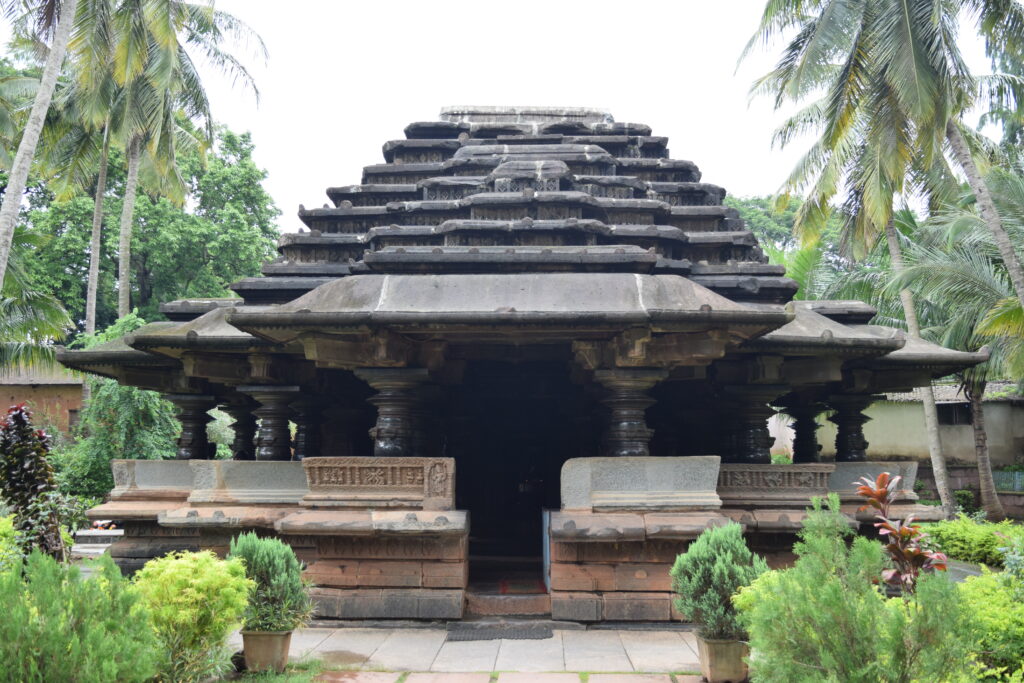
Kamal Basti 

Kamal Basti is a stunning 13th-century Jain temple nestled inside Belagavi Fort in Karnataka, built in 1204 AD by minister Birchiraja under Ratta dynasty patronage. Architectural Marvel Kamal Basadi, a Chalukya-era Jain temple in Belgaum Fort, features a distinctive dark, multi-tiered, pyramidal stone roof and numerous carved stone pillars.  Named for its magnificent ceiling lotus with 72 petals symbolizing 24 Tirthankaras across past, present, and future eras, the temple blends Chalukya craftsmanship with nagara-style shikhara. Intricate pillar carvings depict Parsvanath under a seven-hooded serpent, while walls feature mythological friezes in Kannada and Sanskrit inscriptions. This image showcases Kamal Basadi’s distinctive multi-tiered pyramidal roof amid fort gardens, highlighting its serene yet grand presence.
Kamal Basti  Read More »

temple mgl4ly1p 202505132133290

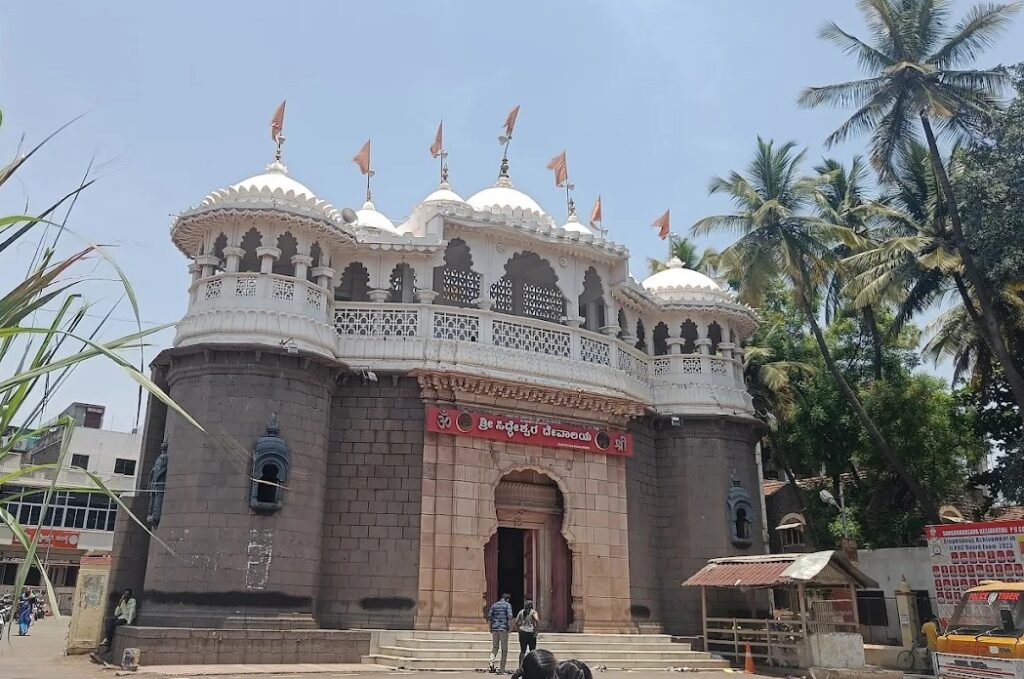
Shri Siddheshwar Temple

Shri Siddheshwar Temple is an ancient Shiva shrine perched atop a hill in Kanabargi village, about 11 km from Belagavi city center in Karnataka. Temple Features The cave-like temple, dating to the 9th-17th century with 19th-century stone carvings, features a natural Shivalinga and sandstone tri-ratha architecture amid lush forests offering scenic treks and city views. Visitors climb around 50 steps after driving close, enjoying gardens, slides, and seasonal waterfalls at the peak. Cultural Draw It attracts pilgrims for peaceful worship and nature lovers year-round, with special rituals enhancing its spiritual aura in this serene, forested setting.

Shri Siddheshwar Temple Read More »

mayakka devi mandir chinchali belgaum temples 658sqn1mga

Mayakka Devi Temple 

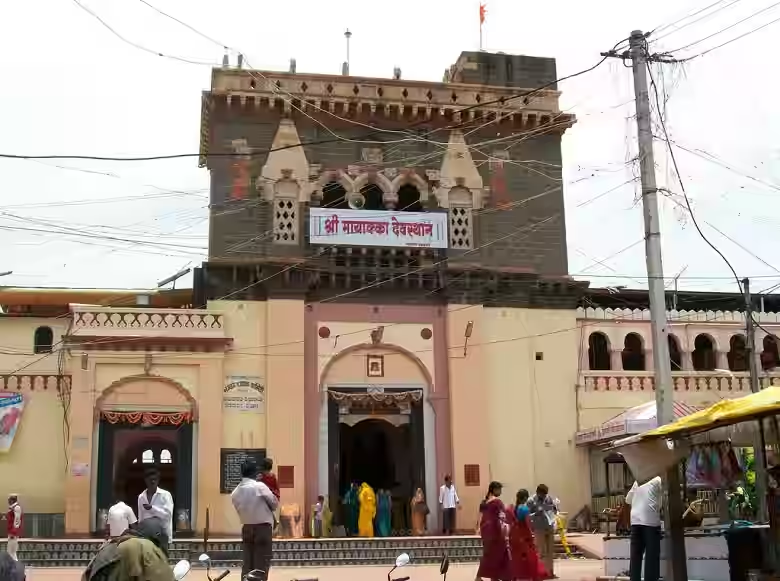
Mayakka Devi Temple in Chinchali village, Raibag taluk of Belagavi district, Karnataka, honors Goddess Mayakka Devi (also called Mahakali or Mayavva), a fierce protector deity. Legendary Origin Legend states Mayakka Devi arrived from Manadesh (near Sangli, Maharashtra) chasing demons Kila and Kattai, slaying them in Chinchali with help from local heroes before settling there. She visited nearby sites like Guddatayi and Karagutti, then negotiated space with resident deity Hiridevi under the condition of secondary reverence. Temple Features The stone temple on a mud mound boasts a striking 50-foot eastern gateway flanked by stone elephants where devotees offer salt and flour. The 3-foot black stone idol wears a crown, seven-hooded serpent, gold ornaments, sword, trident, and snake, draped in red or green sarees resembling Kolluru Mookambika. Sundays, full moons (especially Bharata Hunnime), and fairs draw fasting crowds for rituals, with the massive palanquin procession requiring 10-12 bearers.

Mayakka Devi Temple  Read More »

temple 88ceaovu 202507091637180

Shri Kapileshwar Temple

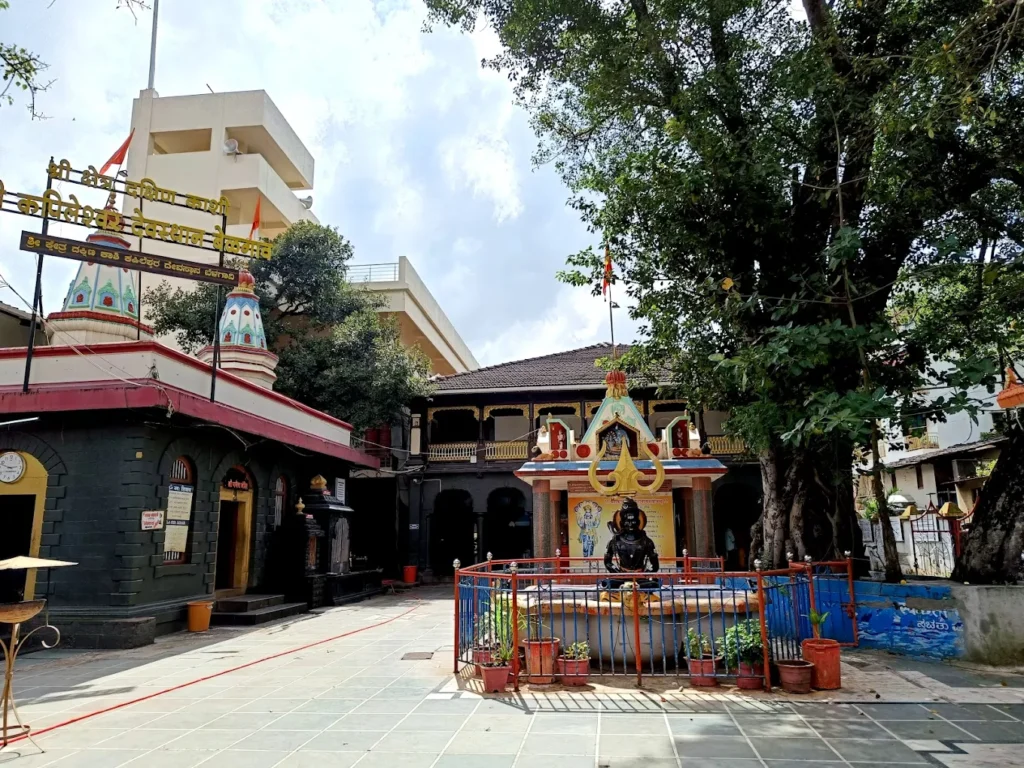
Shri Kapileshwar Temple Shri Kapileshwar Temple is one of Belagavi’s oldest Shiva shrines, revered as “Dakshina Kashi” (South Kashi) for its spiritual potency. Historical Significance Dating back to around 1000 AD with inscriptions from 1204 AD near Kamal Basti, legend holds that Lord Shiva appeared to sage Kapila here, making it essential for completing the 12 Jyotirlinga pilgrimage. The self-manifested Jyotirlinga anchors the complex, which includes shrines to Ganesh, Hanuman, Datta, Saibaba, and a Navagraha mandir. Peak Celebrations Visit during Shravan month or Mahashivratri for vibrant rituals, milk abhishekam, and massive crowds experiencing its Dravidian-style rock-cut architecture. Just 1 km from Belagavi railway station and 2 km from the bus stand, it draws pilgrims seeking moksha and blessings

Shri Kapileshwar Temple Read More »

military durga devi temple belgaum fort belgaum religious places 90bjxi60ap

Military Durga Devi Temple

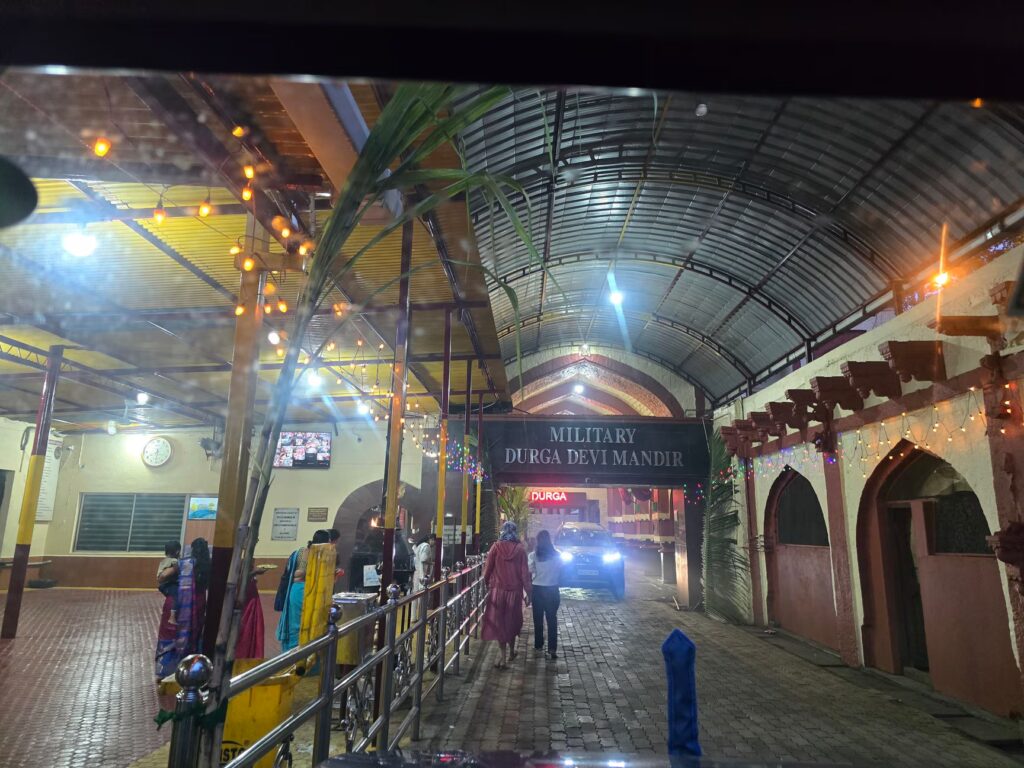
Military Durga Devi Temple is an ancient shrine dedicated to Goddess Durga, located right at the entrance of Belgaum Fort in Belagavi, Karnataka. Maintained by the Indian Army’s Maratha Light Infantry Regimental Centre, it dates back to the British era around 1821 and holds strategic historical importance near the old Goa border. Unique Features The temple sits in a narrow passage under the fort’s archway, allowing devotees to offer prayers even from passing vehicles through a small tunnel-like setup, with army personnel regulating access and parking. It honors Durga as a powerful form of Shakti, attracting both civilians and military personnel for blessings, especially during Navratri when police assist with crowds. Nearby are companion shrines to Military Ganapati and Mahadev, all under military custodianship with Maratha Light Infantry priests conducting rituals. Cultural Role Known for its spiritual potency, the temple sees fervent worship for protection and success, with no photography of the deity permitted inside. Its fort location blends military heritage with devotion, making it a key stop for visitors exploring Belagavi’s historic sites.

Military Durga Devi Temple Read More »

shree renuka yallamma devi temple1

Shri Yellamma Devi Temple s

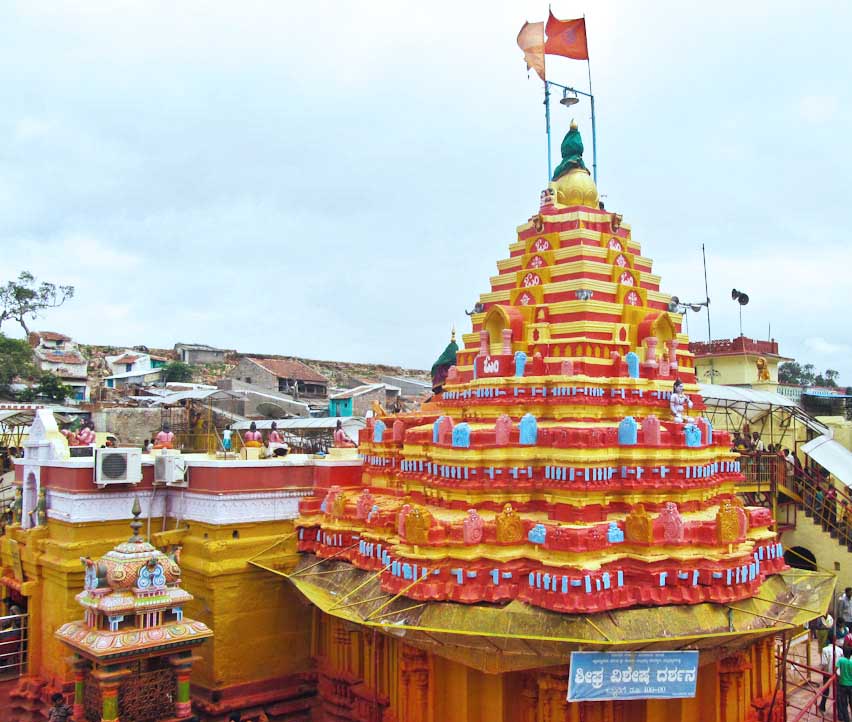
shri Yellamma Devi Temple, also called Renuka Yellamma Temple, sits atop Yellamma Gudda hill in Saundatti, Belagavi district, Karnataka, about 5 km from town and 70 km from Belagavi city. Temple Significance This ancient Shakti Peetha honors Goddess Yellamma (Renuka), revered as the mother of Parashurama and a fertility deity among the Saptamatrikas. Built around 1514 by Bomappa Nayaka with Chalukyan-Rashtrakuta architecture, it draws millions for healing rituals like kumkum archana, oil baths, and naivedya offerings on Tuesdays, Fridays, and full/new moons. Key Features Devotees climb 1,000+ steps to the hilltop shrine overlooking the Malaprabha River, passing smaller temples to Shiva, Ganesh, and Parashurama. Unique practices include salt offerings at Murukallu for eye issues and cradle rituals for progeny blessings; the clay idol receives daily sandalwood-turmeric anointing. This view shows the temple’s striking yellow exterior with carved details against the hillside, typical of its sacred hilltop setting

Shri Yellamma Devi Temple s Read More »

kannada rajyothsava.jpg

Karnataka Rajyotsava

Karnataka Rajyotsava, also known as Kannada Rajyotsava, marks the state’s formation on November 1, 1956, when Kannada-speaking regions unified. Celebrated annually as a public holiday, it honors Karnataka’s cultural heritage through flag hoisting and statewide festivities. Main Celebrations The central event occurs at Bengaluru’s Kanteerava or Krantiveera Stadium, where the Chief Minister hoists the red-and-yellow state flag and the anthem “Jaya Bharata Jananiya Tanujate” is sung. Rajyotsava Awards recognize contributions in arts, literature, science, and social service, presented by state leaders. Cultural programs feature folk dances like Dollu Kunitha, Yakshagana, and Veeragase alongside parades and exhibitions. Local Festivities Across Karnataka, including Belagavi, schools, offices, and temples display the flag while communities host processions, music concerts, poetry recitals, and feasts. The day fosters pride in Kannada language, traditions, and figures like Goddess Bhuvaneshwari, symbolizing unity and prosperity.

Karnataka Rajyotsava Read More »

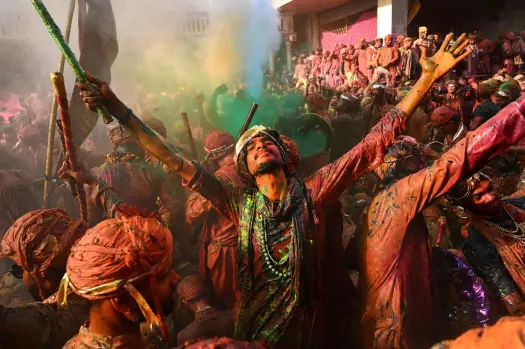
rath yatra

ISKCON Ratha Yatra Mahotsav

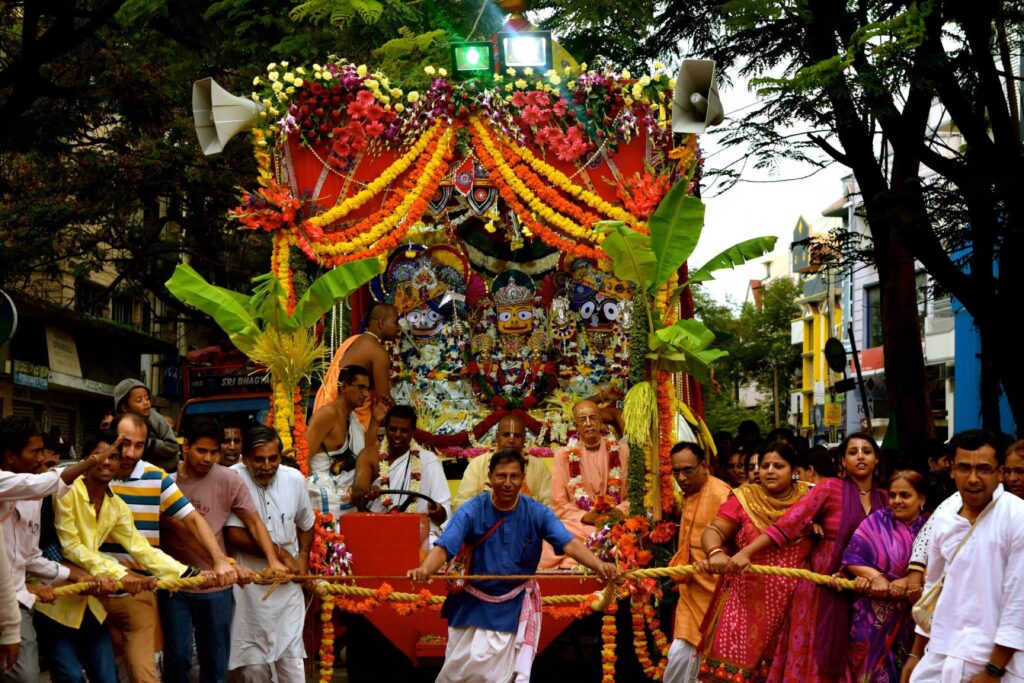
ISKCON Ratha Yatra Mahotsav is a vibrant chariot festival organized by ISKCON temples, prominently featuring the 28th edition in Belagavi on January 24-25, 2026, starting from Dharmaveer Sambhaji Chowk. It honors deities like Lord Jagannath, Baladeva, Subhadra, Radha Krishna through grand processions with kirtan chanting, devotional dances, and prasadam distribution along city streets. Festival Highlights The Rath Yatra festival in Puri, Odisha, features a large gathered crowd, three large, elaborately decorated chariots (raths), and a towering temple shikhara.  The procession kicks off at 1 PM, winding through Belagavi’s main roads with crowds pulling massive decorated raths amid ecstatic sankirtan and cultural performances, ending at ISKCON Sri Sri Radha Gokulananda Temple by 6:30 PM. Devotees experience spiritual joy symbolizing Lord Jagannath’s journey to meet his devotees, blending Puri traditions with local fervor. Past events like the 27th in 2025 drew huge participation with live streaming. This captures the massive scale of Ratha Yatra processions with towering chariots and enthusiastic crowds, much like Belagavi’s vibrant celebrations.

ISKCON Ratha Yatra Mahotsav Read More »

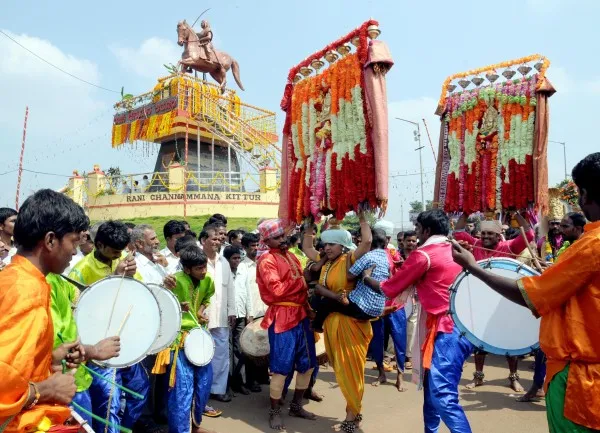
kittur utsav

Kittur Utsav 

Kittur Utsav is an annual state-sponsored festival in Belagavi district, Karnataka, honoring Rani Chennamma’s 1824 victory over the British East India Company. It celebrates her legacy as an early freedom fighter through cultural events near Kittur Fort. Historical Context The festival marks the 201st anniversary in 2025 with processions in Kakati (Rani Chennamma’s birthplace) and Kittur, featuring garlanding of her statues by dignitaries. It typically spans three days around October 23-25, blending patriotic tributes with folk heritage. Rani Chennamma led armed resistance against British annexation under the Doctrine of Lapse, defeating initial forces before her eventual capture. Key Attractions Events include vibrant folk dance parades with dollu kunitha, kamsale, and gombe kunita performances from across Karnataka. Cultural programs feature discussions on her valor, music concerts, exhibitions at Kittur Fort museum, and local cuisine stalls. Recent editions drew hundreds of thousands, emphasizing themes like women’s empowerment and anti-colonial heroism alongside figures like Sangolli Rayanna.

Kittur Utsav  Read More »